Blog
Doll Lab Ep. 53: TOP-CYDOLL TPE vs Silicone Sex Dolls – Which is Better?
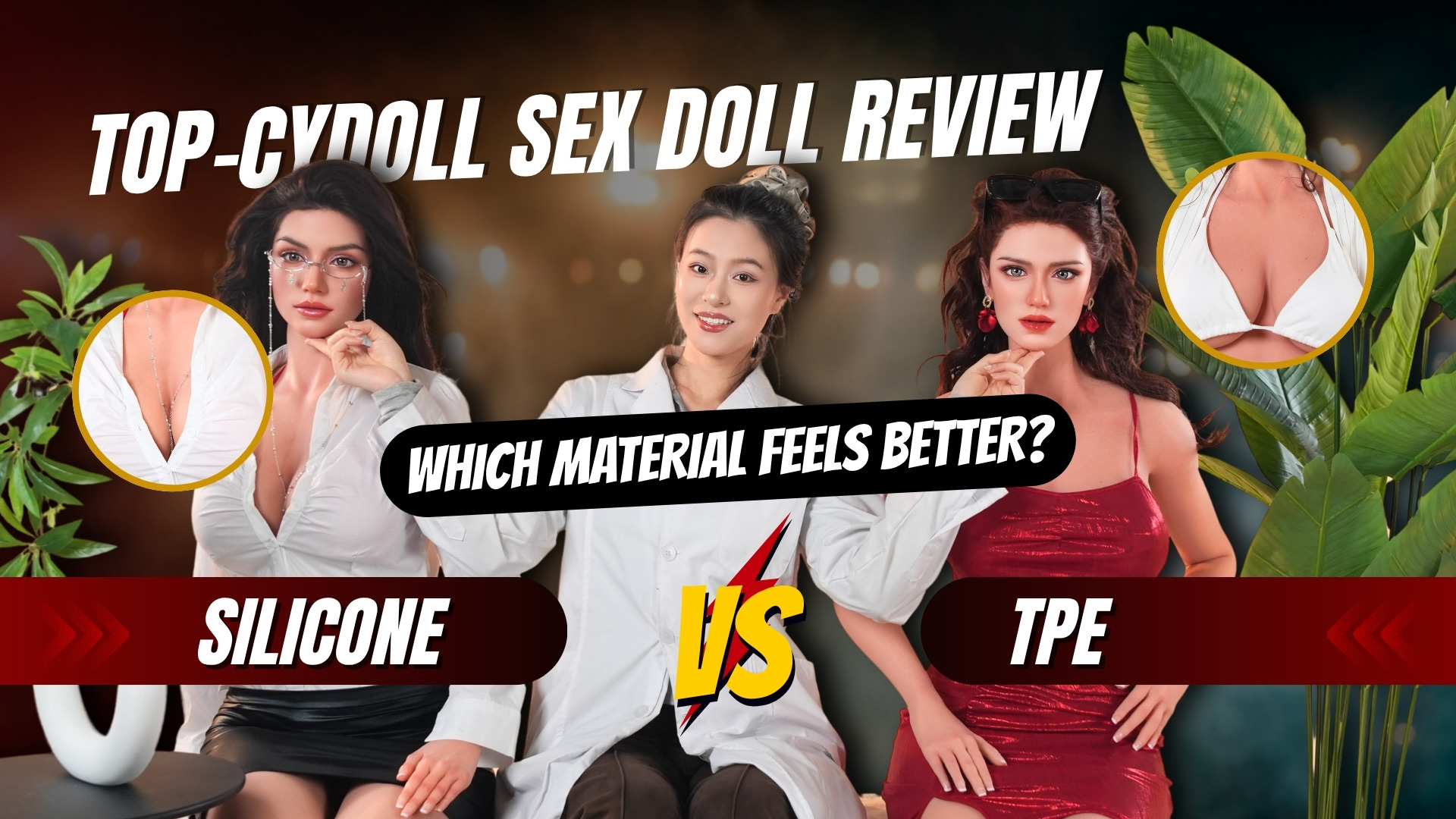
In this episode of DollLab, we’re tackling one of the biggest dilemmas doll buyers face: Choosing between silicone and TPE can feel tricky at first. On paper it looks simple, but once you consider touch, realism, and long-term durability, the decision gets a lot less clear.
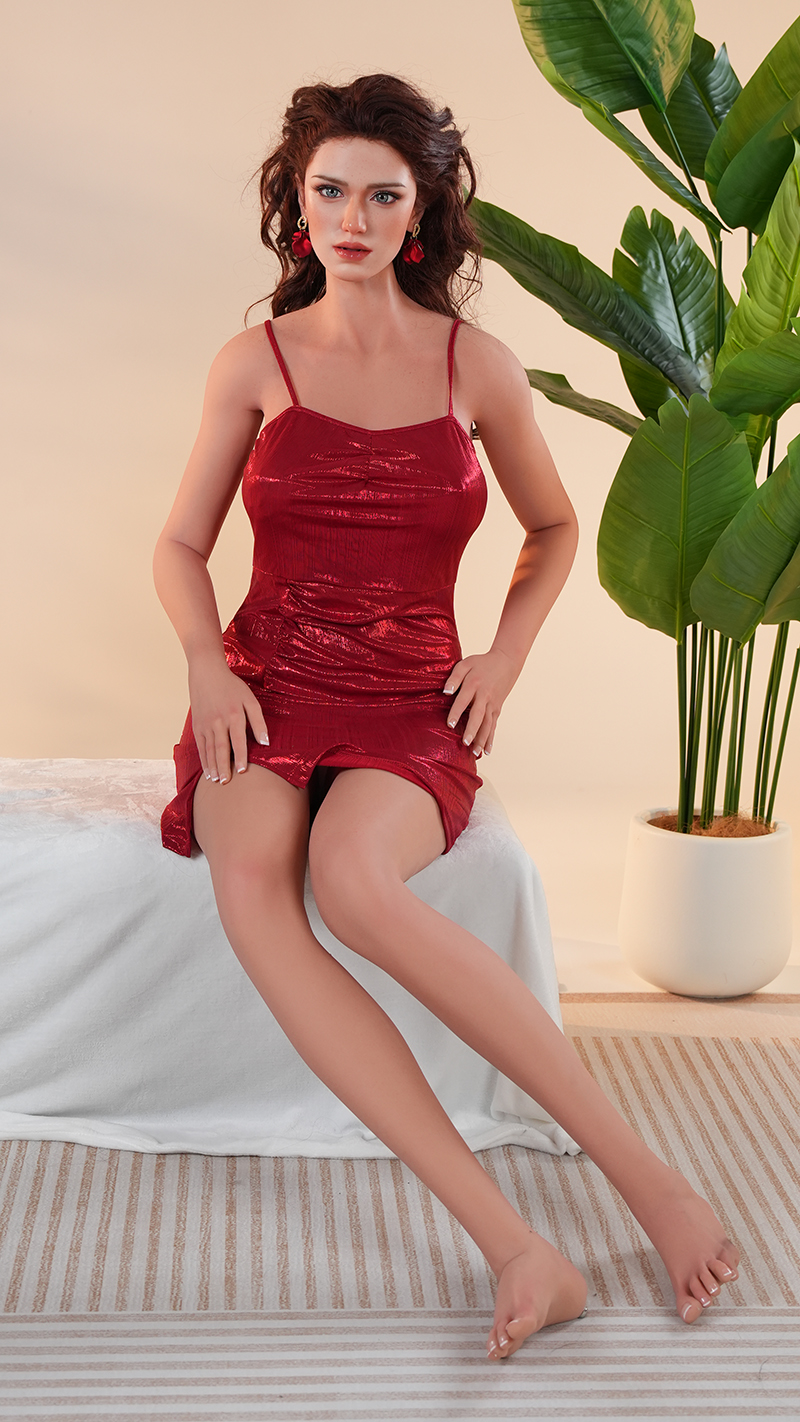
To find out the real difference, we tested two TOP-CYDOLL sex dolls with the exact same specs — same height (176 cm), same body proportions, same design. The only variable? One is full silicone, the other is TPE.
This is a true side-by-side comparison based on how each material actually performs in real use. Simple, honest, and revealing.
| Category | Silicone Body | TPE Body |
|---|---|---|
| Price | ~$2,600 (after discount) | ~$1,600 (after discount) |
| Visual Detail | Highly detailed (skin texture, folds, veins) | Mostly surface-level details |
| Realism (Visual) | More realistic, deeper detail | Good, but less depth |
| Softness & Feel | Softer, gel-filled, stretchable; feels like soft dough; more plush overall | More bouncy and squeezable; less stretch; feels like ham |
| Stickiness/Oil | Slightly sticky, more prone to oil | Drier, cleaner feel |
| Durability (Hands/Feet) | Hard hands & feet & more durable overall | Higher risk of damage, less durable overall |
| Flexibility (Joints) | Tight (shoulders, hips, waist) | Similar tightness |
| Lower Body Feel | Softer, gel-like | Stronger grip/pressure feel |
| Optional Bonus Features | FREE 2nd Head, gel butt, hard feet etc. | No free 2nd head & functional options cannot be selected |
Why Pairing a Silicone Head with a TPE Body Matters
Visual Balance and Realism Explained
Here’s something interesting. Many users pair a silicone head with a TPE body—and it’s not random. It’s done to create a more balanced and realistic overall look.
Why? Because silicone excels at capturing the minutiae of a face: the tiny imperfections, the delicate lines, and the nuances of light and shadow. TPE, in contrast, often presents a smoother, more pliable appearance, particularly on the larger expanses of the body. The combination of the two materials allows for the most realistic facial features, while still providing a softer, more lifelike feel to the rest of the form.
Why This Method Creates a Fair Comparison
In real testing scenarios, using a silicone head on both bodies helps remove one big variable: the face. That way, when comparing silicone vs TPE, you’re really judging the body material—not being distracted by differences in head quality.
Simple idea. Big difference.

Body Finish and Visual Detail Breakdown
Surface Texture and Skin Realism
The difference in visual detail is obvious the moment you compare the two side by side.
Silicone stands out with:
- Realistic skin texture
- Natural folds and creases
- Smooth shading transitions
- Subtle friction that mimics real skin
It feels layered. Almost alive.
TPE still looks good—but the details sit more on the surface. Veins, freckles, and shading are there, just softer and less defined.
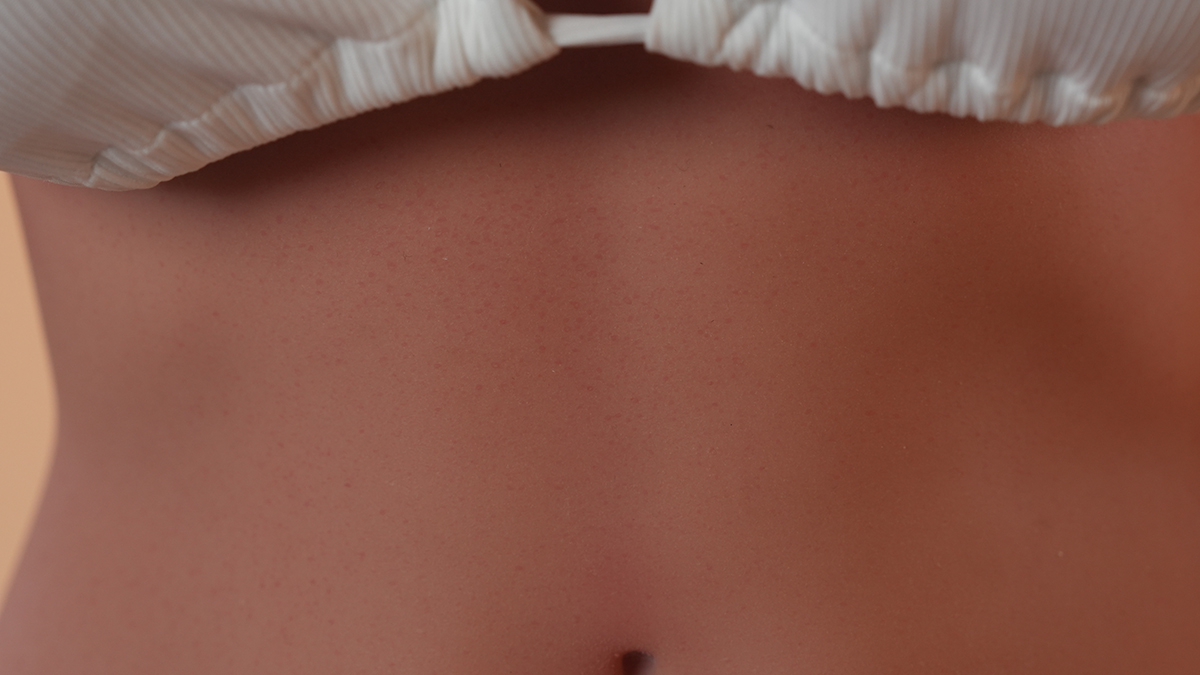
Micro Details: Navel, Hands, and Feet
Let’s take a small detail—the navel.
- On TPE: a simple indentation
- On silicone: layered folds that look natural
Same story with hands and feet. Silicone shows sharper creases and more structure. TPE feels smoother, less complex.
Tiny differences. But they add up fast.
Durability and Lifespan Comparison
Tear Resistance and Long-Term Use
This is where silicone clearly pulls ahead.
- Silicone lifespan: around 5–10 years
- TPE lifespan: around 2–5 years
Silicone resists tearing, UV damage, and aging much better. TPE, while soft, is more fragile and can wear down faster.
Maintenance and Damage Risks
TPE comes with trade-offs:
- Higher risk of punctures
- Needs more careful handling
- Can show internal structure under pressure
Silicone? More forgiving. Less stress.
Softness and Tactile Experience (Full Analysis)
Upper Body Feel (Chest & Abdomen)
Silicone feels soft—but in a controlled way. The gel-filled structure allows stretch and internal movement, creating a dough-like feel.
TPE feels firmer here. Less stretch, less movement.
Lower Body Feel (Thighs, Hips, Buttocks)
Here’s where things flip.
TPE:
- Bouncy
- Responsive
- Springy under pressure
Silicone:
- Cushioned
- Plush
- More even softness
Different vibe entirely.
Arms, Limbs, and Overall Feel
Silicone offers better stretch and natural feedback. TPE stays elastic but firmer.
Overall:
- Silicone = soft, smooth, gel-like
- TPE = dense, bouncy, pressure-focused
And honestly? This part comes down to personal taste.
Flexibility and Joint Performance
Skeleton Structure and Movement
Both materials often use the same internal skeleton. That means movement is very similar—shoulders, hips, waist all behave nearly the same.
Stability vs Range of Motion
Joints may feel slightly tight. That’s intentional.
Tighter joints = better stability and durability.
So yes, you lose a bit of flexibility—but gain better posing and long-term support.
Fair trade.
Internal Feel and Lower Body Feedback
Externally, both materials look similar. But internally, the feel changes.
- Silicone: softer, smoother, slightly lubricated
- TPE: stronger grip, more pressure
Many users prefer TPE for intensity. Others prefer silicone for comfort.
Conclusion and Recommendations
At approximately $2,600 (after discount), Sofía is positioned within the premium segment.
Pros:
- High softness and tactile quality
- Strong visual proportions
- Detailed key areas
- Stable posing structure
Cons:
- Less refined details in some areas
- Slightly oily feel over time
- Requires effort to handle
Who is it for?
Suitable for users focused on realism and tactile quality. Less suitable for those seeking lighter or lower-cost options.
Overall, Sofía remains a competitive high-end choice.
Price Comparison and Value
| Category | Silicone Body | TPE Body |
|---|---|---|
| Price | ~$2,600 | ~$1,600 |
| Positioning | Premium | Budget-friendly |
| Lifespan | Longer | Shorter |
TPE sex doll is typically 20–40% cheaper than silicone sex doll.
So the real question becomes: pay less now, or invest long-term?
Final Verdict: Which One Should You Choose?
Choose Silicone if you:
- Want the most realistic visual detail
- Prefer a softer, premium feel
- Care about durability
- Like bonus features (gel, hard feet, etc.)
Choose TPE if you:
- Need a lower price
- Prefer a firmer, bouncy feel
- Want stronger pressure feedback
- Don’t need ultra-high detail
Conclusion
In the end, silicone vs TPE isn’t about one being better than the other. It’s about what you value most.
Silicone leans toward long-term quality—clean, detailed, and made to last. TPE feels more open and accessible—softer in certain ways, easier on the budget, and simple to begin with.
If realism and durability are your focus, silicone naturally stands out. If comfort and price matter more, TPE remains a strong option. And that’s really the whole picture.
FAQs
Got Questions?
Drop them in the comments below or shoot us a message. We’re always happy to help fellow doll lovers make informed (and fun) decisions.
And as always…
We test. You enjoy.

Starry – Doll Lab Lead Tester
Starry is the lead tester behind Doll Lab, specializing in hands-on reviews of Silicone and TPE sex dolls.
She focuses on realism, softness, and performance through real testing, helping users understand how different models look and feel in real use.